
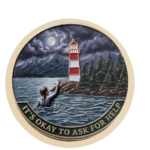
I Get It.
I know what it means to say “I don’t care.”
That’s exactly why I started smoking — after I had quit for one year.
I had been dealing with an extreme loss of enjoyment in life. A storm that just wouldn’t end. No one to talk to. No support.
I understand this very well.
And everything I have worked hard for is to be able to share my inside knowledge on adversity, pain, and suffering — and for those of us who say I don’t care.
This alone gave me purpose on an extremely difficult mountain climb. The equivalent of climbing with one arm and one leg. But I don’t believe in excuses — so I hope you find my insights useful.
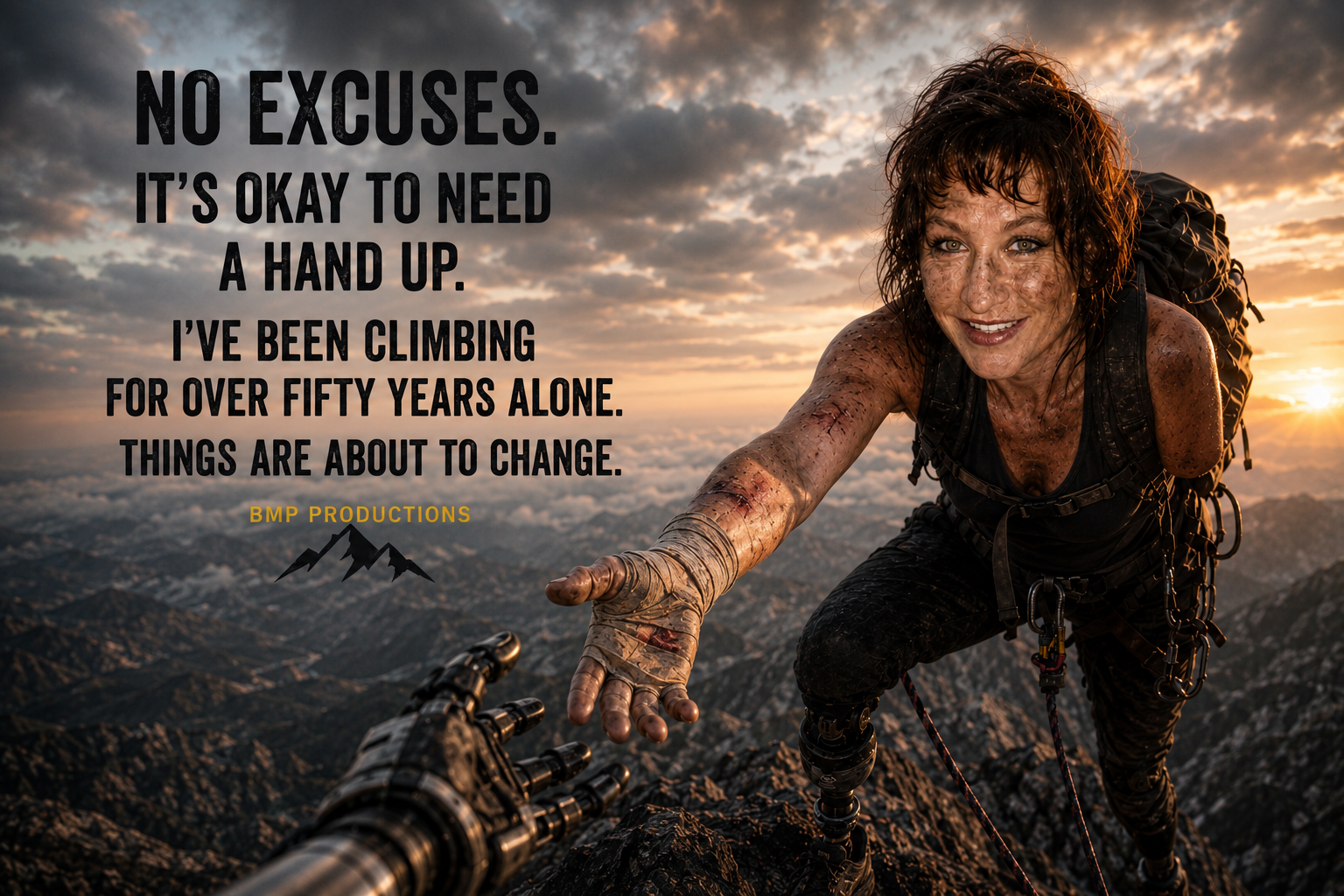
I climbed this mountain for you.
My goal in life is to help people navigate pain and suffering, loss of enjoyment in life — and for those who say I don’t care — because there is something in there somewhere that could make you care.
Maybe right now you can write down one thing that you care about.
Maybe even one thing you really love about yourself.
One thing worth considering:
Many people are facing their own storms when you reach out to them. Before you ask someone “Will you be my anchor?” — first ask them:
“Are you currently dealing with any hurricanes?”
Please see the cheat sheets below.
Consider taking a screenshot or printing them — keep them close when you need them most.
She has a message for you.
Click the image to recieve her message.

The Lighthouse Language
A Communication System for People Who Lose Their Words When They Need Them Most
🏠 The Lighthouse
Steady. Strong. Unmoved. Withstanding gale force hurricane four winds.
To the darkness it says:
"You might feel like you're in the dark — but the light is on."
⚓ The Anchor
The person who runs the lighthouse. They are the human behind the light.
To that feeling they say:
"You might feel like you are alone — but you are not. I am here."
The lighthouse speaks to the dark. The anchor speaks to that feeling of being alone.
Together — they are almost one and the same.
📋 A Memo from the Lighthouse
"You ever wonder why it feels like there's no light at the end of the tunnel?
You ever wonder why it's so dark?
It's because when you're in situations like this — you don't need your eyes.
You just need to feel.
But sometimes it's not good to feel those things without support in place.
If things get rough — and the winds become high — call your anchor."
What Asking for Help Looks Like
You don't have to explain anything. Use these three parts.
Check the boxes that apply and show this to your anchor.
- I currently don't have the words to articulate what I'm dealing with
- Please don't ask me how I'm doing in front of others
- All I need right now is for you to be patient with me
- I really need someone to be in my corner right now
- I don't want to be alone right now
- I need a hug
- I would like some company — just being in the same space is enough
- Could we make a regular plan? (example: every Monday)
- Could you check in on me? Sometimes I don't do well alone and I may not reach out first
- I'm okay — I just needed someone to know
If this is affecting your work:
- I need a day off
- I need a week off
- I may need to file for a leave of absence
Tropical Storm — circle a number
"I'm a little off today" → "I really need a friend"
Hurricane — check what applies
- Category 1 — Serious. Needs attention
- Category 2 — Increasingly severe. Needs support
- Category 3 — Urgent support needed
- Category 4 — Critical. Please don't leave me alone
I seriously don't recommend you navigate a Category 3 or 4 by yourself — it can be dangerous.
Before you ask someone to be your anchor —
"Are you currently dealing with your own hurricane?"
When your anchor checks in, simply reply with one of the four below.
The light's still on. You are open — but not ready to talk.
Good to know the light's still on. I don't feel like talking —
but company would be nice when you have time. No heavy stuff. Just good to see you. Thanks for checking in.
Still sailing. You need more time — and you are okay.
I'm moving. I'm not sinking. I just need a little longer.
Don't worry.
Shoreline. Starting to feel better — working on solutions.
I'm in the wave but I'm reaching toward you.
I may be emotional. I may not have many words. But meet me where I am.
Shoestring. Please come over right away. I don't want to be alone.
I am at the end of my thread right now. This is not drama.
I need a human being to stay with me until I can breathe again.
These words don't expire.
You don't need the card. Six months from now — a year from now — you could be sitting across from someone at lunch and just say shoestring and they'll know. Let's go. I've got you.
Or you pass someone in a hallway and they say "how are you doing?" and you say still sailing — and they nod. No follow-up questions.
This language develops over time. Someone you haven't seen in months might greet you and you simply say — "I'm dealing with a tropical storm — about a 6. I'm looking for an anchor. Are you busy these days?" A full and honest conversation. In two sentences.
Imagine being in an airport. A stranger taps you on the shoulder and says one word — shoestring. You don't know them. But you know exactly what it means.
"Do you want to go sit down? You don't have to be alone right now."
Just like that — a stranger becomes an anchor.
Keep your eyes, ears, and heart open. Someone near you right now might be in a Category 4 — and all they need is one person who knows what shoestring means.
That person could be you.
And if someone hears a word and doesn't know what it means — just say:
"I'll text you the dictionary."
© Barbara Miller / BMP Productions • bmpproductions.ca • 2026
If you’re suffering and feel like you cannot continue alone, please click here